


Building Bridges: The importance of inclusive play in unifying communities
11th November 2024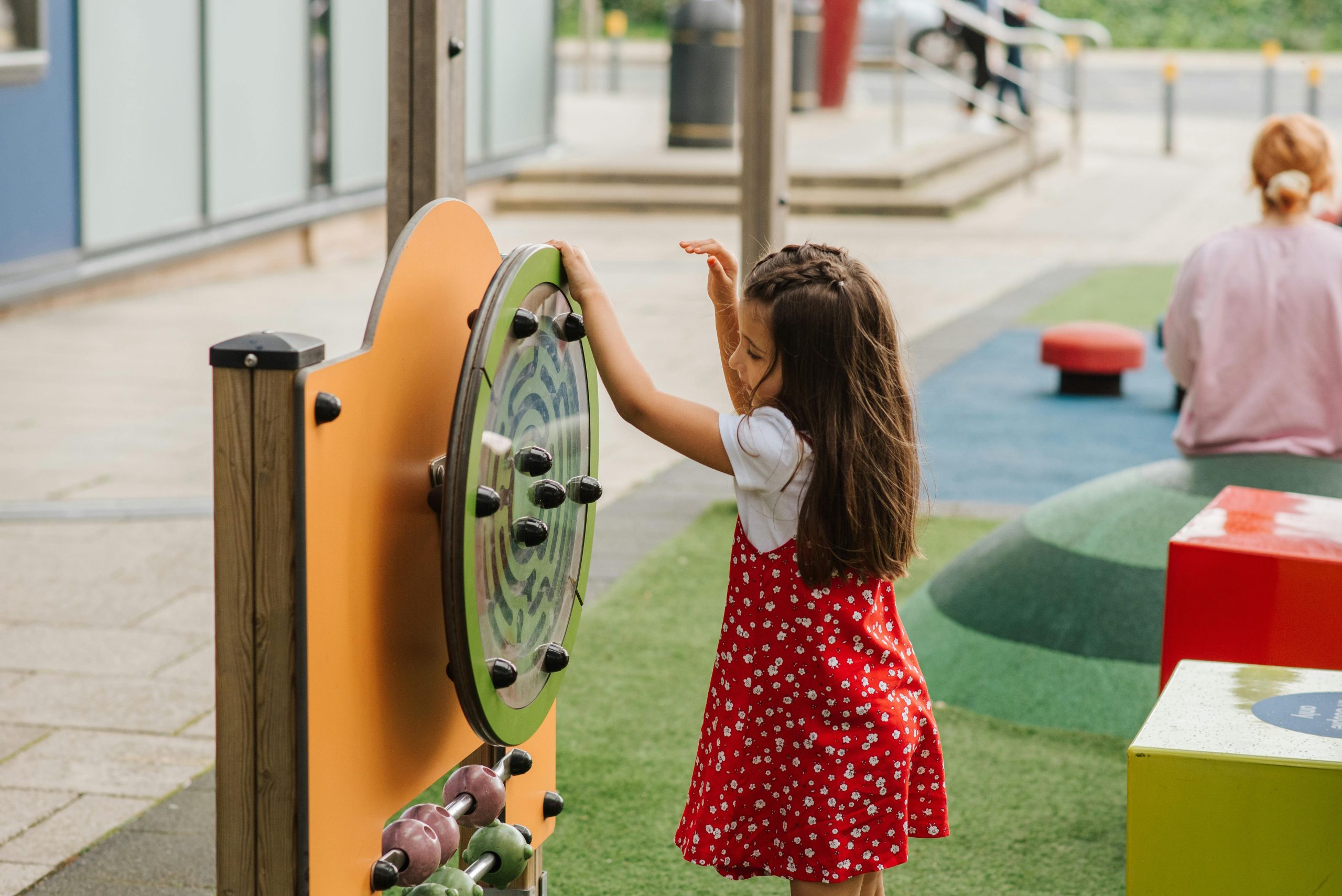
As we emphasise the positive impact of inclusive play, it’s essential to acknowledge the problems that arise when inclusivity is overlooked. Without inclusive play, we risk excluding some children, this can lead to stereotypes being reinforced and the growth of empathy being hindered. Exploring the issues that arise from the absence of inclusivity emphasises the importance of prioritising play spaces that cater to the diverse needs of our entire community.
Regardless of abilities, play has been shown to positively develop a children’s coordination and motor skills through the introduction of adaptive activities, obstacles, movement, teamwork and role-playing. In addition, play has been shown to significantly boost a child’s mental wellbeing by serving as a natural stress reliever and stimulating cognitive development. Engaging in play can enhance a child’s social connections, reduce feelings of loneliness and enhance their emotional wellbeing.
Inclusive design aims to ensure that every single child can thrive through play and that they can do this together with other children, in the same space.
At Outerspace we believe that all children should be able to enjoy the joy of playing outdoors; connecting with each other and nature. This blog explores the true meaning of inclusive play, looks at inclusive play equipment and discusses how the Outerspace approach aims to create places for children of all abilities and backgrounds.
Breaking Down Barriers
Inclusive playground design can hold a crucial role in the breaking down of social barriers. It does this by providing opportunities for friendships among diverse groups who may not otherwise meet. Shared play experiences can help to promote teamwork and understanding amongst children, leading to genuine friendships and the breaking down of stereotypes. By doing this inclusive play can become a model for a more inclusive society; one in which everyone can have a sense of belonging.
Preventing Division
Inclusive play can help to reduce stigma by normalising diversity and creating an environment where children of all abilities can interact with each other. When children play together they become more familiar with each other’s similarities and more accepting of each other’s differences, this can help to breakdown misconceptions of disabilities and backgrounds that they, and possibly their parents, may hold. Children are remarkably accepting and adaptive, much more so than adults, and, when given the opportunity to play together, they can quickly learn to support each other and celebrate everyone’s successes. Evidence has shown that children who are given the opportunities to play with others of differing disabilities can go on to develop a better understanding of disability and higher levels of acceptance.
Case Studies
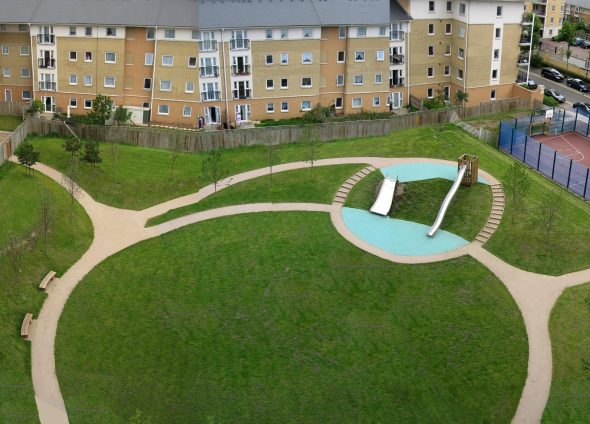
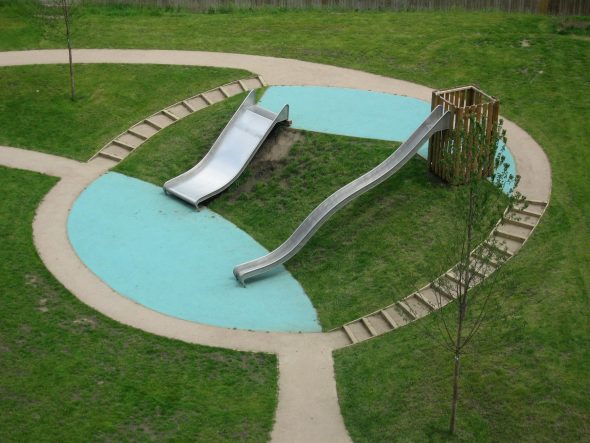
For Outerspace project at East Virginia Quay Park we have prioritised inclusivity by featuring an accessible slide designed for everyone to enjoy. Inclusivity was central to the design from the start, rather than being added as an afterthought. By incorporating accessible features, the space fosters a sense of belonging and encourages interaction between children of diverse backgrounds. The Outerspace approach to “Design for All” is highlighted in this project and many others, demonstrating a consistent focus on creating spaces that are accessible and enjoyable for everyone.
Rayrigg Meadow playground, located in the stunning Lake district, is a great example when looking at how to encourage community play. It has features such as sensory panels, spinning equipment and varied swings to suit different accessibility needs. Accessible pathways and an orientation path make it easy for all children to explore and enjoy the outdoor environment, and the multi-play units and beautiful natural surroundings encourage imaginative, shared play, helping children connect across different backgrounds in a fun and accessible way.
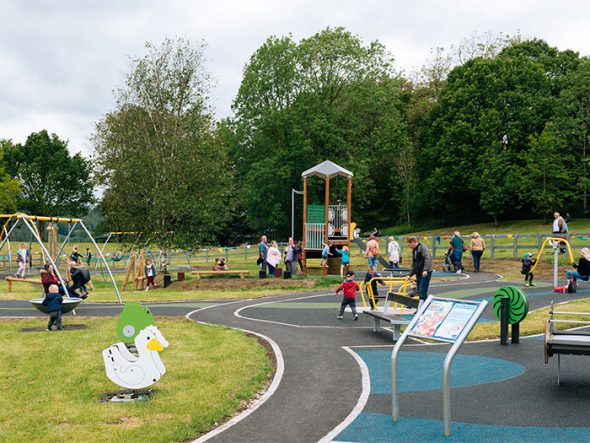
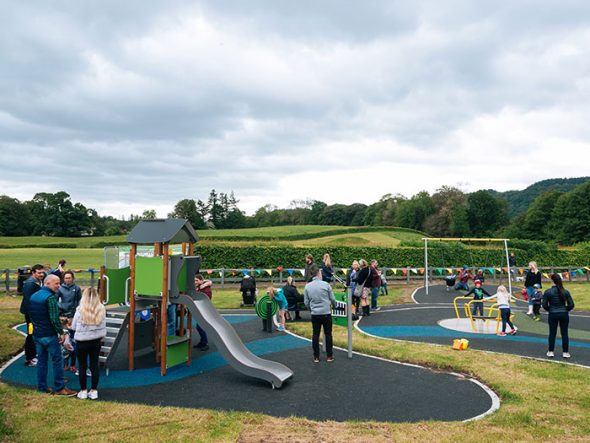
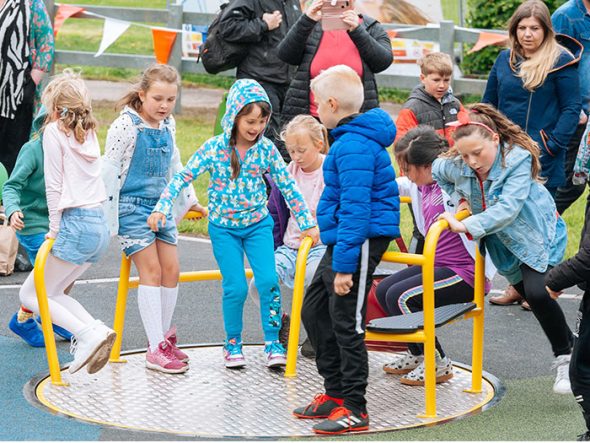
Image source
Designing Inclusive Play Spaces
Designing an inclusive play space requires the collaboration of knowledge, skills, experiences and ideas. Collaboration needs to occur not only between clients, equipment suppliers and Landscape Architects but also between the Landscape Architects and the community who the playground will serve, to ensure diverse needs are met and a design is created that reflects the community’s aspirations. For many years Outerspace have been at the forefront of community engagement, using our Design Thorough Dialogue approach to truly understand the needs and wants of the communities we work with.
Here are some things we consider at Outerspace when creating an inclusive play space:
Accessibility
First and foremost accessibility is crucial in creating a space for inclusive play. It ensures that as many children as possible, regardless of their abilities, can enjoy and benefit from the play spaces provided. Accessible design promotes equal opportunities for engagement, allowing children with physical or cognitive challenges to participate fully alongside their peers.
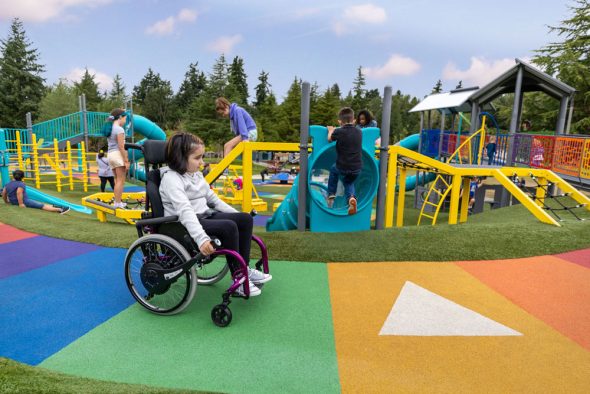
Image source
Play units, climbing structures and ramps
Play units allow for imaginative play and social interaction, while climbing structures cater to various skill levels, promoting confidence and coordination. Ramps ensure that children using mobility aids or wheelchairs can access elevated areas.
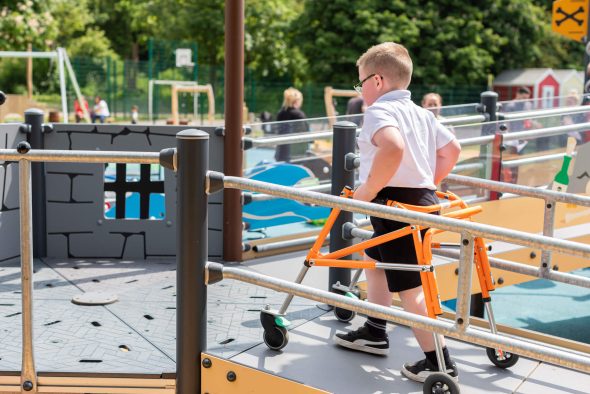
Image source
Roundabouts
Roundabouts are important in inclusive play design as they offer a fun, social activity that accommodates children of all abilities, promoting interaction, balance, and coordination while ensuring accessibility for all.
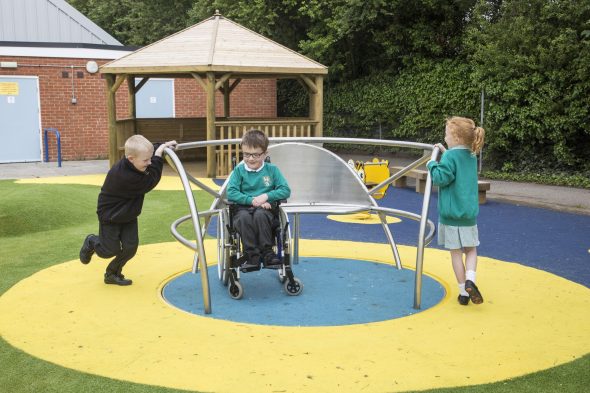
Image source
Swings
Swings offer a universally enjoyable activity that promotes sensory stimulation, balance, and physical coordination. Adaptive swing seats make them accessible to children of all abilities, allowing children to experience movement and freedom.

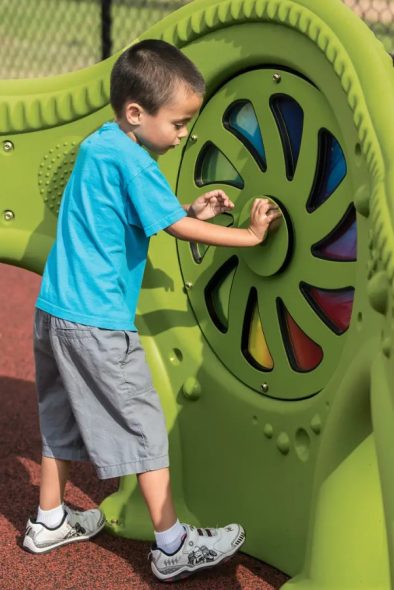
Sensory and interactive play
Sensory and interactive play are important in inclusive play design because they engage children’s senses and encourage exploration. Sensory elements like textures, sounds, and colours provide stimulation, sensory development and cognitive development, while interactive features promote engagement, curiosity, and social interaction.
Natural elements and the setting
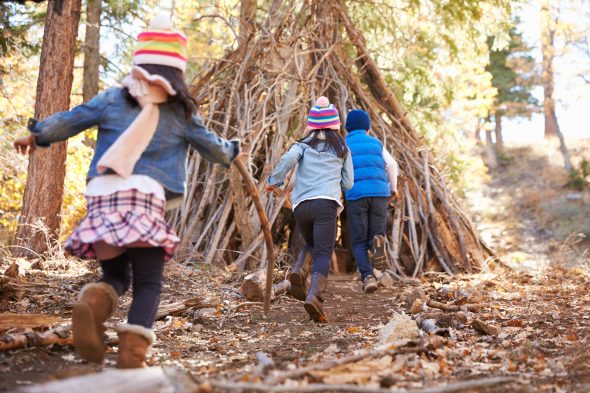
Outerspace truly believes that humans and nature can and should inhabit the same space harmoniously. Natural elements provide a calming, sensory-rich environment for children of all abilities, with features like plants, trees and water providing a range of various sensory textures. Nature can encourage imaginative play and improve mental wellbeing, allowing children to feel connected to their surroundings and the natural environment.
There are many other inclusive play equipment and design methods that can be used to promote inclusive play, with the above only being a small example. At Outerspace we strive to continuously grow our learning, both of the theory behind play design and the industry suppliers so that we can continue to help children live lives that are fun and connected to the outdoors.
Summary
Inclusive play is necessary for our communities to thrive. It brings children of all abilities and backgrounds together, helping them make friends and learn to accept each other. This not only makes the playground more fun but also strengthens the community by breaking down stereotypes and promoting collaboration. Inclusive play is a community enabler, it reduces stigma, boosts physical and mental well-being, and prepares kids for a world full of differences. Inclusive play is not just about the playground, it’s about building communities that celebrate everyone’s unique strengths and make everyone feel welcome and valued. Our children are our future and we hope that through our work we will play a part in building a future for them that is hopeful and accepting.
At Outerspace, our designs support inclusive play so every child can play, make friends and be part of their community.
Written by Karishma Ladva, Landscape Architect