


Wild Cities: Why Urban Biodiversity Matters and How We Can Help
10th September 2025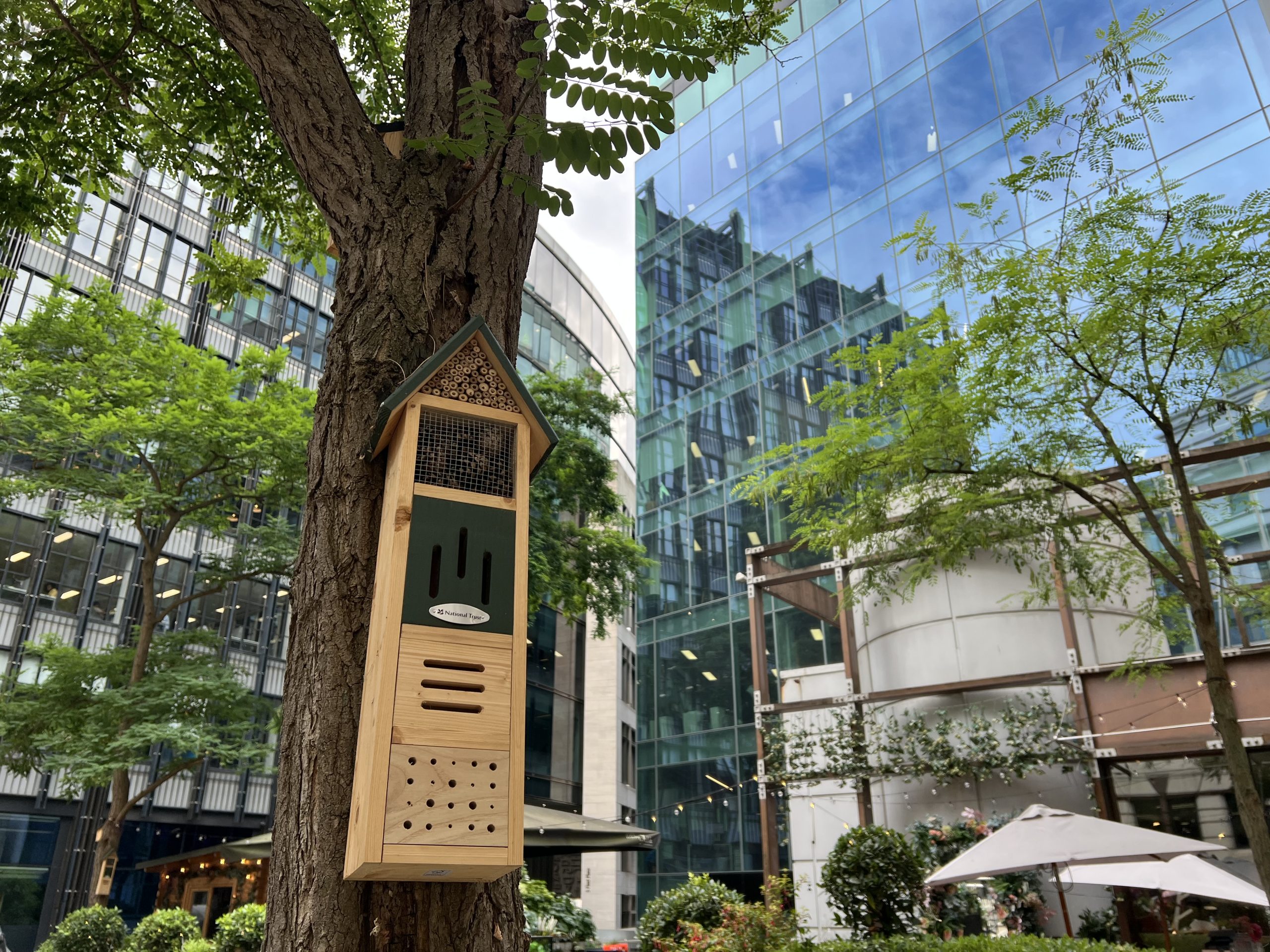
Biodiversity in the urban world: why it matters
Urban environments are often perceived as lifeless expanses of concrete and steel, but this view misses a powerful truth; cities have the potential to become thriving ecosystems. Far from ecological deserts, urban areas can support a rich biodiversity when thoughtfully designed and managed.
Urban biodiversity; the variety of plants, animals, fungi, and microbes within city limits offers essential ecological services. Green spaces reduce air and noise pollution, regulate temperature, and absorb stormwater, creating healthier, more resilient cities.
They also support human well-being. Time in nature has been shown to reduce stress, ease anxiety, improve mood, and strengthen community ties especially in biodiverse settings rich in sensory and ecological value. Even small interventions can transform nature-deprived urban lives.
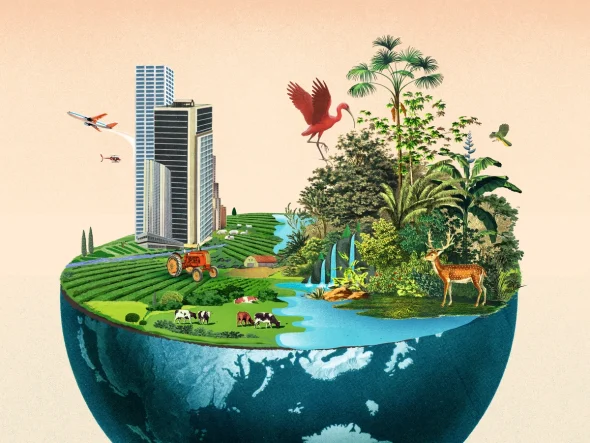
Image credit
Recognizing biodiversity as infrastructure, as essential to urban resilience as transit networks or water supply, shifts the conversation. Cities are not just places where people live, they can be ecosystems where life flourishes.
As towns and cities expanded last century, suburban sprawl both destroyed natural habitats and created physical separation between ‘town and country’. This severance of connectivity created a negative impact upon both humans and nature within the urban world.
So, whilst people living and working in towns lost their ability to directly walk or cycle in the country for fresh air and tranquillity, the B’s (birds, bees, bats, and butterflies) have also increasingly struggled to survive.
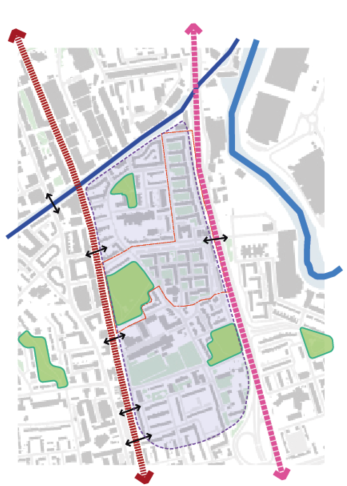
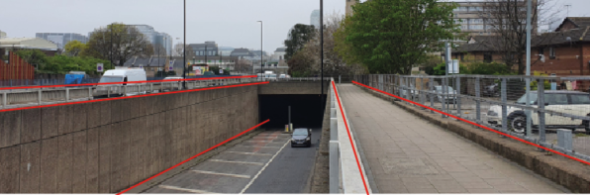
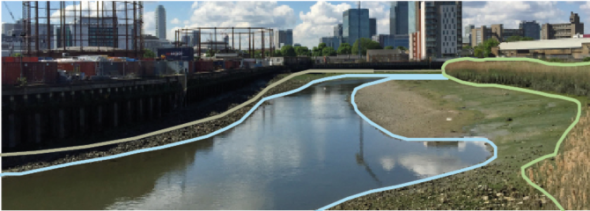
Image credit
Landscape Architecture: Can We Help?
The biggest lesson: Connectivity is Key
When roads and urban development split the landscape, they disrupt the once-unbroken link between rural and urban green spaces. This fragmentation results in isolated “ecological islands,” which cut off both wildlife and humans from the larger ecological network. As a result, animal mobility is disturbed, limiting their access to food, mates, and habitats, potentially leading to population decline or extinction in some circumstances. The isolation also diminishes biodiversity, impedes the natural flow of ecosystem services such as pollination, water control, and makes natural systems more sensitive to environmental stress.
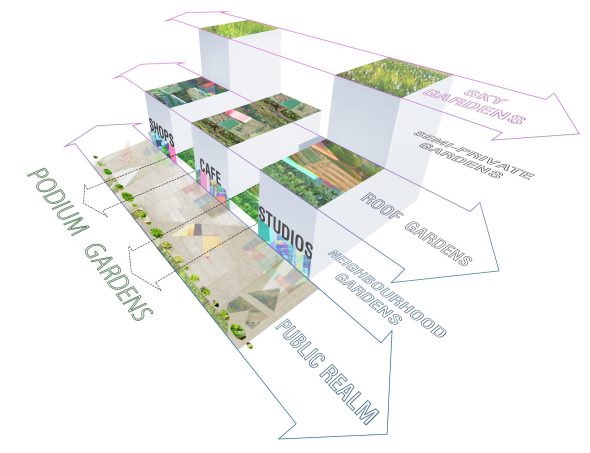
Image Outerspace’s own
Strategies that Landscape Architects follow
As Landscape Architects we work at every scale, from the wider context bigger picture down to small local spaces. This experience and understanding are fundamental to the design of successful urban environments and the enhancement of biodiversity at all scales. Indeed, thoughtful contextual planning and design has the power to repair fragmented habitats, foster species richness, and reconnect humans with the natural world. We consider every environment, whether horizontal or vertical as an opportunity to support life:
- Horizontal strategies:
- Rain Gardens: These shallow, vegetated basins capture and filter stormwater. They support both hydrological function and habitat provision, turning infrastructure into vibrant ecological nodes.
- Wildlife Corridors: Linear habitats, hedgerows, greenways, and vegetated rail lines serve as safe passages for wildlife to migrate, forage, and breed. These are essential in breaking down ecological isolation in fragmented urban areas.
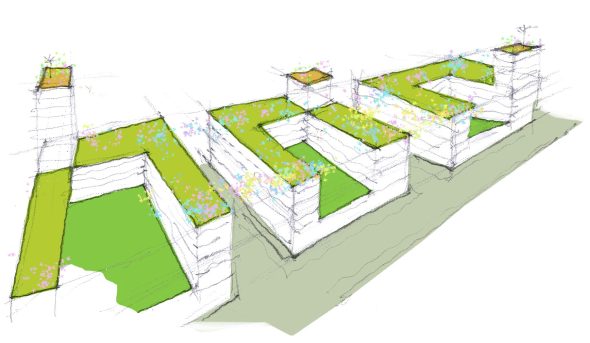
Image Outerspace’s own
- Vertical Strategies:
- Green Roofs: These living systems not only reduce storm‑water runoff and insulate buildings, but also provide habitat for insects, birds, and native plants. When green roofs are connected across buildings, they create aerial corridors that help pollinators and other wildlife move freely through the urban landscape.
-
Vertical Gardens: Facades and walls can support climbing plants and mosses, which provide food and cover for insects and small birds. Vertical greening is especially important in densely built areas where ground space is limited. However, careful design and long-term maintenance, particularly irrigation and drainage are essential to ensure these systems thrive sustainably and don’t become short-lived novelties.
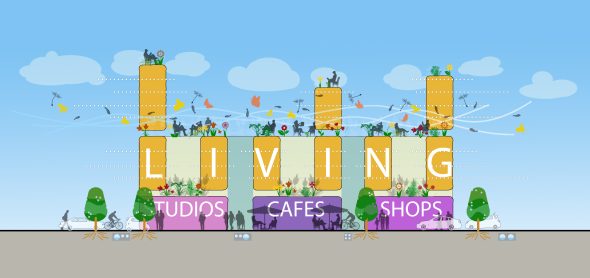
- Urban Forests & Tree Canopies: A robust tree canopy offers shade, sequesters carbon, and provides homes for a multitude of species. Biodiversity increases dramatically in cities that prioritize urban forestry and species diversity.
Moving forward: Walk on the wild side
Supporting Biodiversity within the urban world can be achieved through these various micro-environments, but key to a long term healthy biodiverse urban eco-system is that they must be connected and not isolated.
On another level, it also requires a change in the mind set in urban dwellers. For example, a pre-conceived untidy piece of scrub can greatly support biodiversity. Designing for nature is designing for life itself; for resilience, beauty, balance, and connection. The future of cities depends on how wild we’re willing to let them become, whilst of course being mindful of human issues such as safety and security, but that’s for another day.
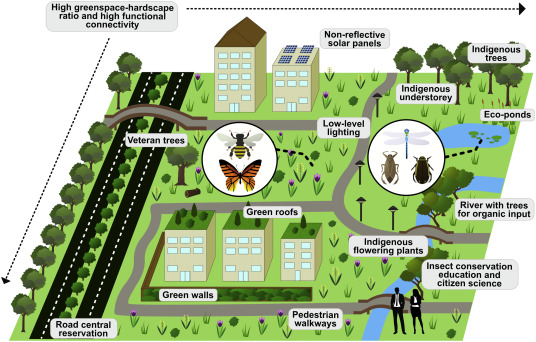
Image credit
At Outerspace, our design approach is rooted in the belief that the needs of people and the needs of nature are not opposing forces, but deeply interdependent. We work at the intersection of ecology, culture, and community, creating places that are not only functional and beautiful, but ecologically meaningful. Our projects are guided by a simple principle: if a space supports biodiversity, it will inevitably support human well-being a philosophy we call the Human-Nature approach. This was exemplified in our work at Teviot, where we looked beyond a purely urban perspective and explored how the scheme could be ecologically connected to the River Lee, ensuring the development was grounded in our core principles of integrating people and nature.
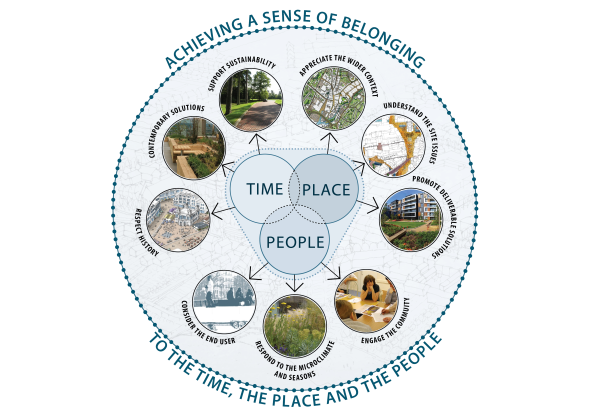
Image Outerspace’s own
Written by Khaled Hadi, Landscape Architect