


Hard Hats & Hard Truths: Lessons Learned in Landscape Construction Delivery
22nd September 2025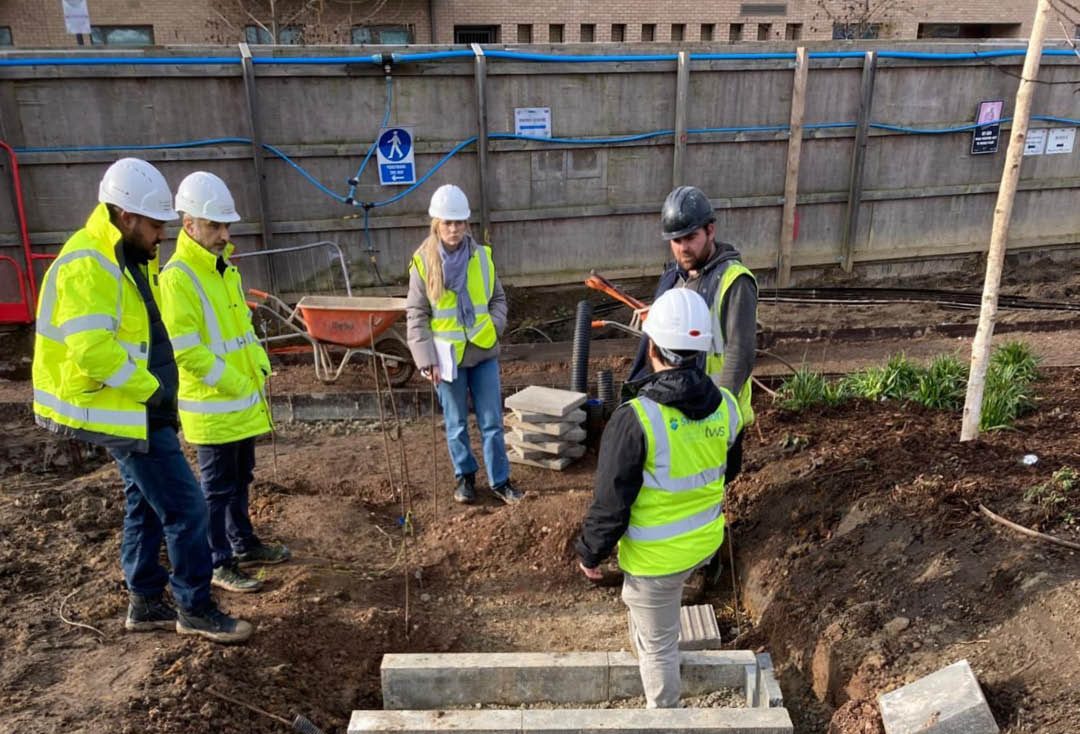
Starting out as a graduate landscape architect in Germany, I was quickly immersed in the construction and delivery of live landscape design projects. Moving from the design studio to the construction site, my duties included a hands-on role in coordinating tenders, administering contracts, and monitoring the delivery process on the ground. This early exposure offered invaluable first hand insight into how design decisions translate into built outcomes.
Building on these formative experiences and reflecting the core values we champion at Outerspace – collaboration, clarity, adaptability, and a commitment to thoughtful, buildable landscapes – this post explores the key lessons that contribute to effective and reliable landscape construction delivery.
1. Have a clear plan
“Failure to prepare is preparing to fail.”
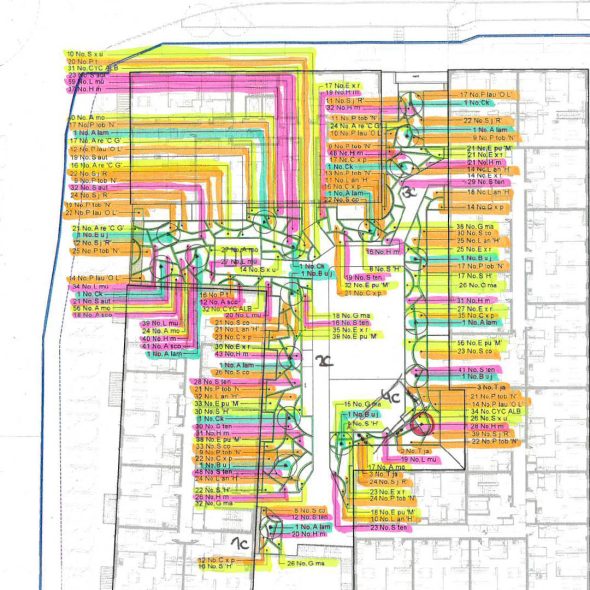
A clear and coordinated plan sets the foundation for successful delivery. Without it, misunderstandings and inefficiencies tend to follow.
Well-defined scope, realistic timelines, and clear design intent help keep everyone aligned and reduce the risk of rework later. Strong documentation is essential. Drawings, specifications, and schedules need to work together and reflect the same intent.
Coordination across disciplines is just as important. Misaligned information between teams can lead to confusion on site. And when transitioning to construction, it’s crucial that roles and responsibilities are clearly understood. Clarity at the start saves time at the end.
2. Prepare that things won’t go to plan!
“Expect the best, plan for the worst, and prepare to be surprised!”
Even the most carefully considered plans will face unexpected challenges during construction. Being able to adapt is just as important as the initial planning.
Unforeseen site conditions, procurement delays, or contractor constraints are common realities. Allowing contingency for both time and cost is good practice. It helps maintain control when change inevitably occurs.
What matters is how changes are managed. A structured, calm approach helps avoid unnecessary disruption. Documenting decisions and variations clearly protects everyone involved and keeps the project moving. Flexibility and responsiveness are key to delivering successfully.

3. Foster good relationships
“Alone we can do so little, together we can do so much.”
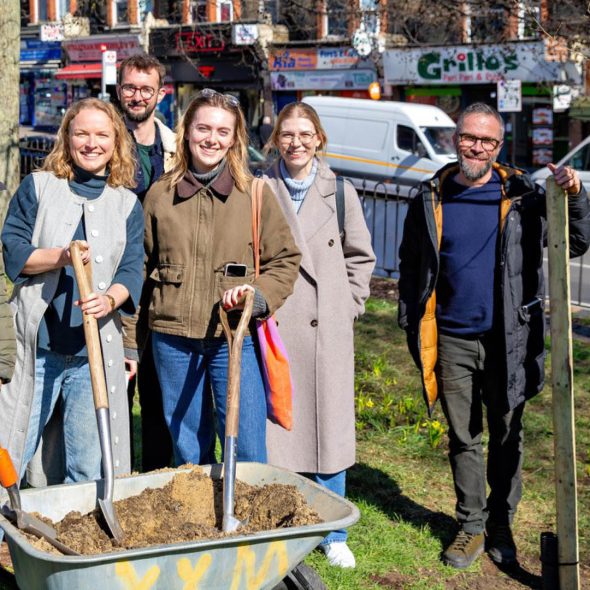
Strong working relationships lead to better project outcomes. Respect and trust create a collaborative environment where challenges can be addressed more effectively.
When consultants, contractors, and clients work together with mutual respect, collaboration becomes more productive. Approaching interactions as problem-solving conversations rather than audits or inspections helps keep everyone focused on solutions, not blame.
Small gestures matter. Being approachable on site, listening, acknowledging good work will build trust over time. When conflicts arise, strong relationships often determine how constructively they’re resolved. Good relationships don’t prevent problems, but they do help resolve them.
4. Communication is key!
“In teamwork, silence isn’t golden, it’s deadly.”
Clear and timely communication is fundamental to successful project delivery. Without it, misunderstandings increase, and momentum can easily stall.
Proactive communication helps prevent assumptions and misinterpretation. Regular site meetings, written updates, and clear instructions help keep the team aligned. It’s also important to adapt communication to your audience, as a contractor’s needs are often different from a client’s.
Visual communication is often one of the most effective tools. A marked-up drawing or photo can resolve issues much faster than written explanations alone. Communication is more than just a process; it’s what holds the delivery process together.
5. Design through Dialogue
“Coming together is a beginning, staying together is progress, and working together is success.”
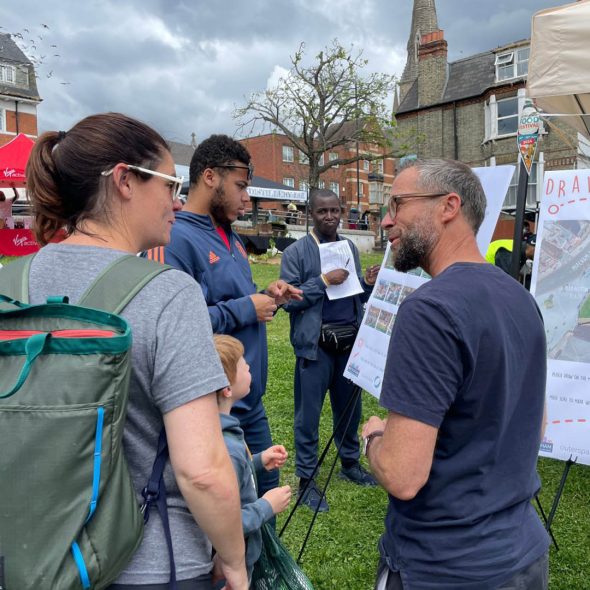
Good design doesn’t happen in isolation. It evolves through collaboration. Engaging with others along the way leads to more practical, resilient, and well-executed outcomes.
On live projects, adaptation is often necessary. Engaging with contractors, suppliers, and consultants early can highlight constraints or opportunities that improve outcomes. Open dialogue helps solve problems efficiently and can lead to smarter, more buildable solutions.
Collaboration isn’t just about solving problems; it’s also about improving outcomes. Small adjustments made on site often protect the broader design intent. The best outcomes rarely come from rigid enforcement; they come from collaboration and respect for different perspectives.
Conclusions
Looking back, it’s clear that successful delivery demands more than strong design skills. Delivery is where design becomes reality, and embracing flexibility, clear communication, and collaboration leads to better outcomes for everyone involved. While a clear plan provides direction, the ability to adapt when circumstances change is just as important. Strong relationships and open, consistent communication foster trust and help navigate the inevitable challenges of construction.
These principles apply at every stage of a project and to professionals at all levels. Revisiting the fundamentals of project delivery reminds us that well-executed landscapes are not only designed – they’re built through shared understanding, adaptability, and teamwork.
Written by Charlotte Tomlinson, Landscape Architect