


Biodiversity on our roofs
30th October 2024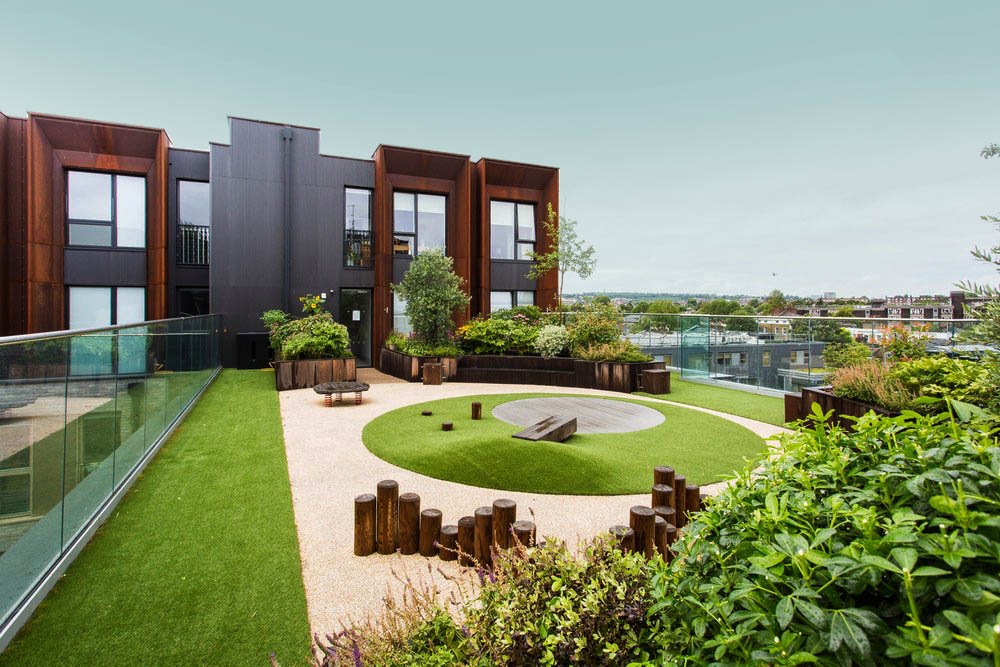
“Let us green the earth, restore the earth, heal the earth,” Ian McHarg.
Over recent decades the impact of climate change has continued to increase, and the challenges we face to control it are only getting harder. Society can no longer continue without taking action and collectively we all need to be aware of the danger we are facing. Increased awareness on how we can all help to save our planet and create a better life for us, and the next generations, is a must and Outerspace are at the forefront of this in our approach to Urban and Landscape design.
Green roofs are becoming increasingly popular because of the variety of benefits that they give to urban areas and help the way in which they can help to mitigate the issues that we face in our cities.
Green roofs in history
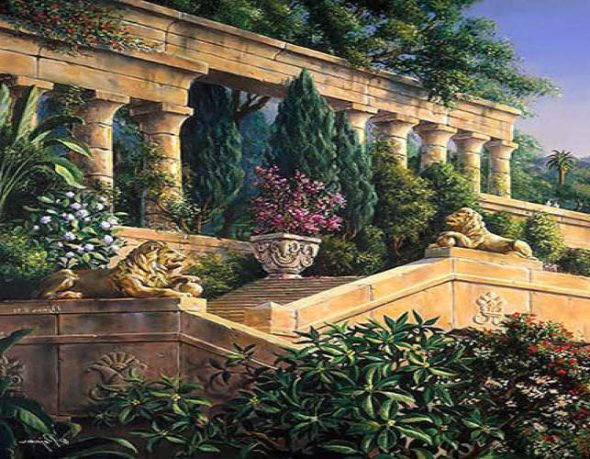
Although we may think that green roofs are a bright new idea for our era, looking backwards in history, we found that the idea of using the roof to grow plants was invented 500bc where they used green roofs for different purposes. The Hanging Gardens of Babylon is a great example to start with, where they used green roofs for luxurious purposes and to empower their civilization at the time.
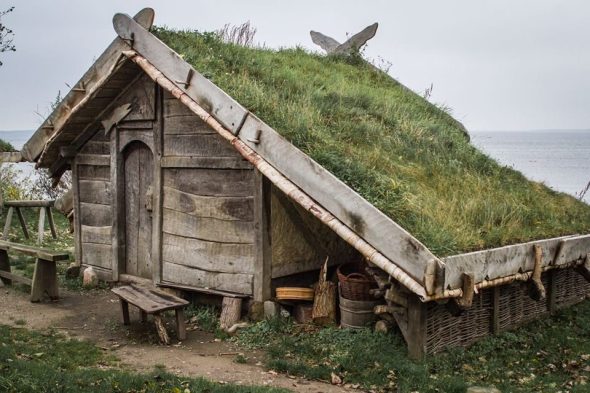
On an individually smaller, but no less important scale, roofs in Scandinavia have most likely been covered with birch bark and sod since human first settled there. During the Viking and Middle ages communities adopted these simple methods, using natures readily available resources, to control temperatures inside their houses (warm in winter, cool in summer), keeping their harsh Artic climate at bay.
What are green roofs in our understanding?
When considering the threat posed by climate change, the green roofs of today represent a hybrid of Babylon’s luxury use (Intensive) and Scandinavians’ functionality use (Extensive), and can help mitigate the negative effects of today’s urbanisation.
Intensive green roof
A wide range of species can be grown on the dense substrate layer of an intense green roof. There are many different types of plants on this type of green roof; including shrubs, and small trees in addition to smaller species like bulbs and perennials. The variety of plant species available to specify represents one of the greatest benefits of this type of roof. Due to their deeper substrate layers, greater moisture retention, and wider variety of plant species, intensive green roofs were found to have high levels of biodiversity support. They provide a home for a different insect species; such as butterflies and bees. Birds can also benefit by food available in the form of berries and seeds (and previously mentioned insects!), this in turn can lead to a greater diversity of bird species in urban areas.
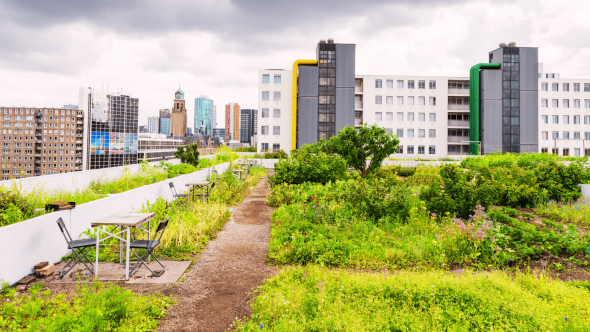
Extensive green roof
The large green roof has a shallow base layer, that only supports a small number of plants, meaning relatively low installation costs and little maintenance. Due to the shallow base layer this category of roof allows for a more restricted variety of flora, such as grasses and moss. Extensive green roofs work better if the specified planting native and self-sustaining plant species because they are more suited to the local climate and require less water and maintenance.
Sedum Green roof
A Sedum green roof is primarily composed of Sedum plants which are low-maintenance and drought-tolerant. The main benefits are such roofs include aiding in the management of stormwater, reducing urban heat islands, and improving biodiversity. These roofs typically consisting of three layers: growth medium or substrate, drainage, and waterproof membrane.
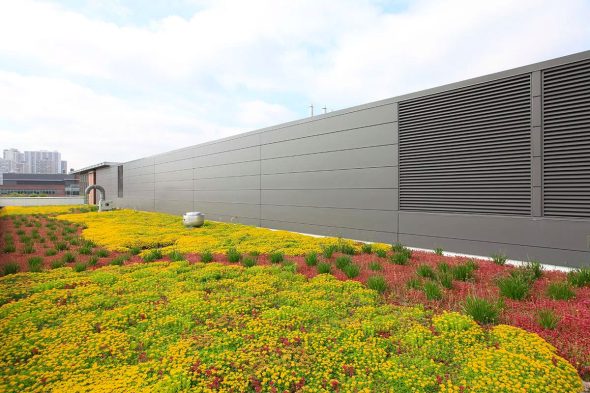
Green Roofs Support Urban Biodiversity
As urbanisation spreads across the natural landscape, many species are loosing, or have already lost, their habitats, their homes, safety, perching points and food sources. The reduction in species variety results in the reduction of biodiversity in our cities. The green roof concept could be described as a survival hiking kit that you use when you need it, implying that while green roofs are not the ultimate solution to climate change and the loss of our green spaces, they do have a significant impact on biodiversity and can assist various species in building homes, finding a source of food, and adapting to live among us. Many green roofs can also be installed retrospectively, opening up our ability to ‘green’ our cities using space already available and unused.
How do Green Roofs support Biodiversity?
- By creating habitats for wildlife, as mentioned above, they can provide food and shelter for various species, including birds and insects. Pollinators such as birds, bees, and butterflies can benefit from green roofs, which are vital to our ecosystem, particularly from the flowering plants on these roofs, as ground-level in cities environments do not always welcome pollinators.
- Green roofs can provide additional benefits by promoting native plant species, which in turn support native wildlife animals in cities, resulting in a more balanced ecosystem. Green roofs can also connect habitats and wildlife, assisting animals and insects in their search for food or shelter, for example a single bee can travel up to 5 miles per day, highlighting the importance of providing ecological corridors in urban areas.
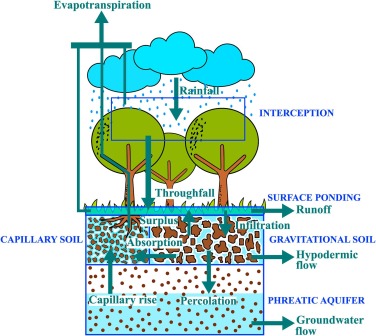
- One of the most significant benefits of green roofs is the improvement of air and water quality in our cities, this happens because plants are filtering pollutants from the air while capturing stormwater, and reducing the amount of water that goes to drainage and overloading the system.
- An urban greenway’s interaction depends on its patch characteristics, including quality, size, matrix redundancy, surroundings, and species needs. Extensive and semi-intensive green roofs can create ecological conditions like those found in dry natural environments with thin substrates and hard ground surfaces, like grasslands and brownfields.
Conclusion
As cities become more urbanised, green spaces are in danger of being destroyed, this in turn harms the ecology and biodiversity. Recently, green infrastructure, especially green roofs, has gained popularity as a means of enhancing urban biodiversity. The added advantage of green roofs is that they can be retrospectively added and therefore use space already available and under utilised.
Evidence shows that green roofs can help to significantly address the issue at hand; they encourage additional plant growth and provide a number of other ecological benefits, such as stormwater management, reduction of the urban heat island effect, enhancement of air quality and shelter and food and shelter for wildlife. Increasing urban biodiversity is, by far, one of the most promising benefits of green roofs.
However, factors such as the design and maintenance of the green roof, as well as the surrounding urban environment, may have an impact on how effective green roofs are at boosting urban biodiversity and a green roof alone should not be considered in isolation. The location and connectivity of green roofs within the urban environment will have an impact on their ability to support biodiversity by creating ‘green corridors’, therefore a great design may not be successful in it’s aims unless the surrounding area is considered too.
At Outerspace, we truly believe in creating spaces that are workable, useful, manageable, well considered and which are long lasting. We recognise that, as landscape architects, we play a critical role in developing green infrastructure, including green roofs, and that promoting biodiversity in urban areas is paramount in helping our planet. This is why our strategy goes far beyond the visual appeal, but it’s based on a commitment to ecological balance, sustainability, and the creation of areas that promote the growth of both humans and nature together.