


5 Mistakes To Avoid When Designing Spaces for Young Women
6th March 2025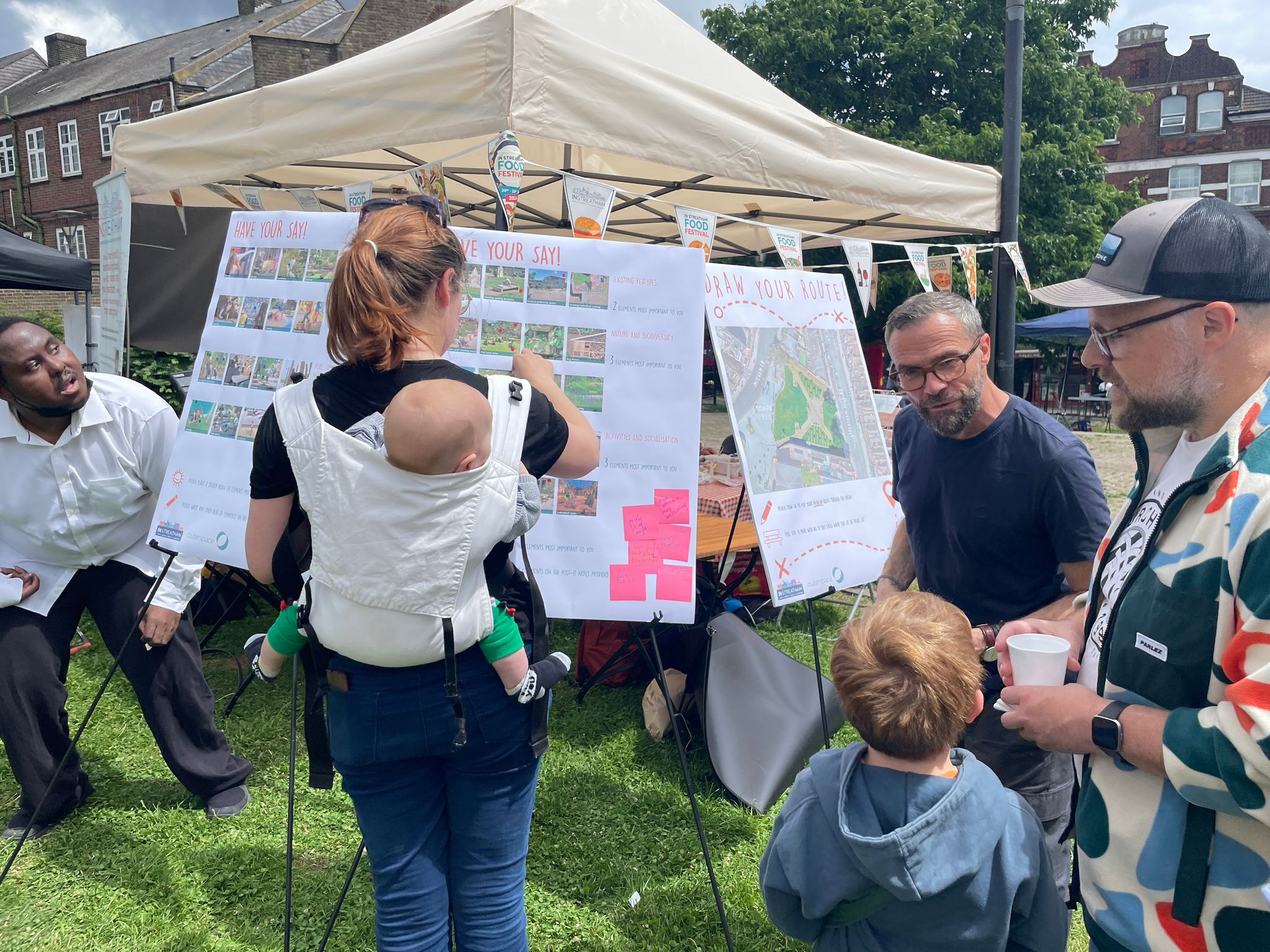
It is well-documented that public spaces often fail to meet the needs of teenage girls. 35% of girls between 11 and 21 said that they didn’t go outside because there was nothing for them to do. Thanks to the research conducted by organisations such as Make Space for Girls, we now have a wealth of evidence showing that young women across the UK feel largely unsafe in public parks, spend significantly less time in these spaces than their male counterparts, and perceive parks as offering few activities that cater to their interests.
A key philosophy here at Outerspace is that, as designers, we should always seek to improve usability within all public spaces, but particularly in urban areas, where green spaces are shared in great numbers and serve as “back gardens” for city-dwellers. Learning about the barriers young women face is essential in implementing this philosophy. This journal entry aims to explore the widespread perception among young women that public spaces are not welcoming, examine the importance of such spaces, and identify the frequent design flaws that contribute to their lack of inclusivity.
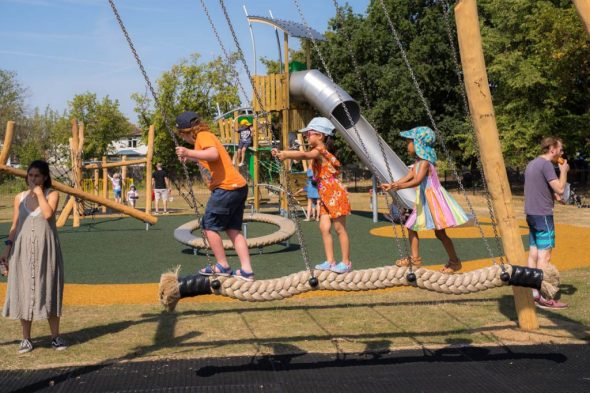
As more and more research emerges on the disparity between boys and girls in enjoying green spaces, the Outerspace team choose to attempt to tackle the issue by envisioning young women as the primary user for our projects. By prioritising their needs in designing successful spaces, we aim to create environments that are inclusive and accommodating for other marginalised groups as well.
A common misconception of designing for girls is that the aim is to displace dominating groups. This is simply not the case; it is about fairness and designing spaces that work for everyone. For example, if a park is designed to accommodate a mother with a pram by providing ramps, smooth surfaces, shade, and comfortable seating, it remains enjoyable for all users. In fact, such design choices often increase the park’s popularity, as it is perceived as safer due to greater casual surveillance and a stronger sense of community. The goal of female focused design should be to create a space for everyone through the inclusion of young women.
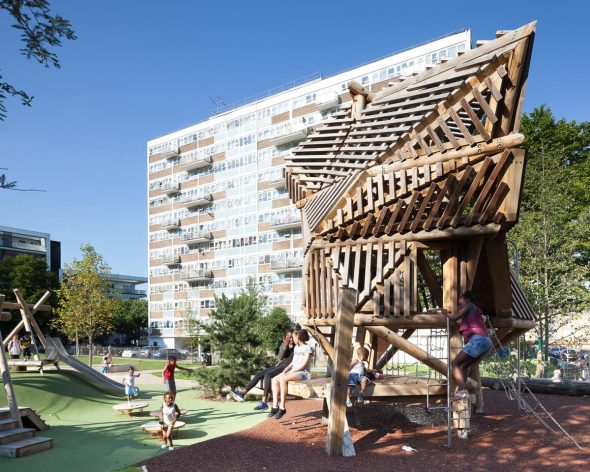
Our public outdoor spaces play a crucial role in supporting our physical and mental health, particularly in urban areas where shared green spaces are essential for exercise, relaxation, and social engagement. The benefits of these spaces are especially significant for young people, who are at a formative stage of developing their social skills, interests, and sense of community.
However, as a substantial portion of these spaces feel unwelcoming or inaccessible to young women, this exclusion deprives them of the lifestyle benefits that come from using public spaces. As designers, we should jump at the chance to curate spaces that are opportunities for growth and well-being for all.
That’s just a flavour of an issue with nuances you were likely already aware of – consciously or subconsciously. What follows is a starting guide which highlights some practices the Landscape Architects here at Outerspace use in our daily design process to avoid the common mistakes when it comes to designing for young women.
Underestimating the Need for Privacy
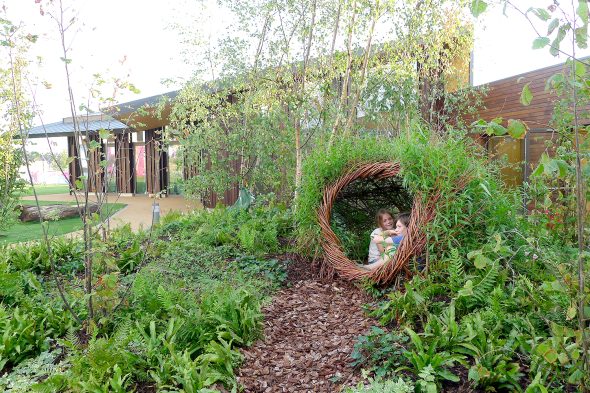
Lack of quiet zones: Parks and public spaces often fail to provide areas where young women can retreat to for quiet, personal spaces. In lieu of this, girls are often left feeling exposed or uncomfortable. Remember: Private space does not mean invisible space! It means a place to reflect and observe.
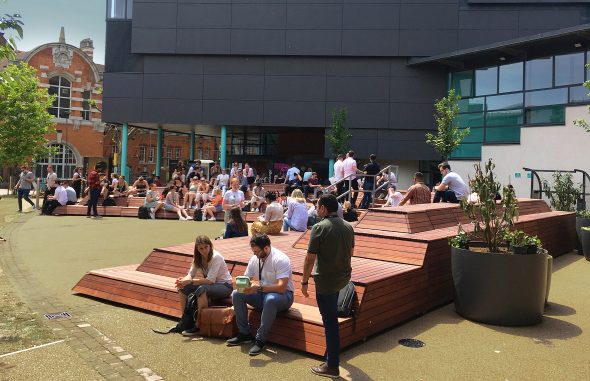
Designing open, visible spaces: Even private areas require an open design, with multiple access points and open views to the surroundings.
Inadequate shelter: Shelters or semi-enclosed seating areas offer a place for girls to enjoy their local green space even in the wind and rain, allowing them to be outdoors for a longer portion of the year.
Missing Opportunities to Collaborate with Inspiring Minds
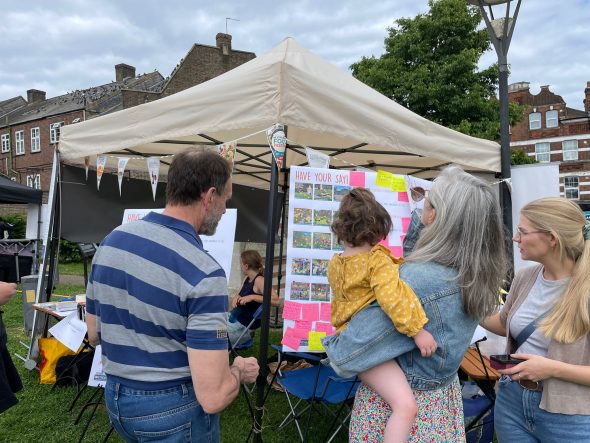
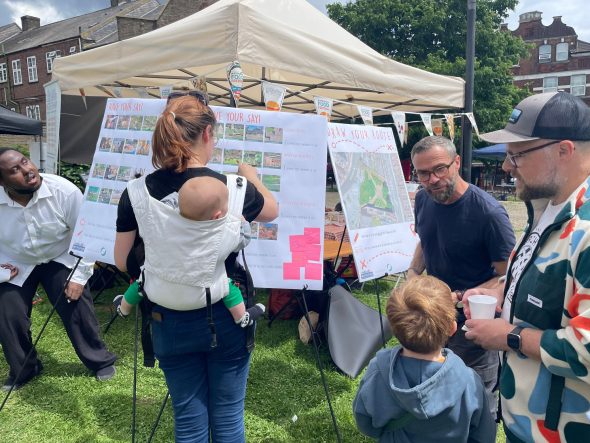
Failure to involve young women in the design process: Too often, the voices of young women are overlooked in the city. Engaging them in surveys, workshops, or design collaborations will provide valuable insight into their needs and preferences.
Top-down design: When designs are imported without input from the users, there’s a risk of creating spaces that fail to resonate with their needs, which is plainly a waste of resources, opportunity and land. Avoid being a tick-box designer and involve your invaluable community of young minds!
Overlooking Technology & Comfort
Lack of charging stations: In today’s world, we are increasingly reliant on our phones both for entertainment and to help us feel secure, accessible charging points in public spaces can encourage people to stay longer and, particularly when considering young women, knowing a battery can be recharged easily can help them feel safer, with access to make contact, if necessary.
Ignoring digital engagement: Technology can be incorporated into parks and public spaces through interactive elements with features such as scavenger hunts and music. For example; it is well-researched that young girls enjoy the play element of performance; this and technology could be explored in great synergy by a designer.
Comfort is key: Seats that are uncomfortable or hard may deter use. Thoughtful choices in material, shape and location will make huge differences in the experience of the environment for everyone.
Neglecting Long-Term Usability (& flexibility)
Designing for short-term appeal: Designers frequently focus on trendy, one-off features that look good initially but aren’t durable. Long-lasting features using hardy materials are important to ensure continued use and relevance.
Poorly-maintained facilities: Public spaces that are not regularly maintained or updated can quickly appear neglected. This visual cue of an uncared-for environment can deter young girls from enjoying the park, as they may question the level of upkeep and the overall safety.
Lack of Flexibility: No-one remains consistent in their personality, interests and social prose throughout their life, and neither do young girls. Spaces with rigid features often fail to cater to young women’s evolving needs. Static furniture will not support impromptu activity, gatherings, privacy, or relaxation. In summary, a lack of flexibility will deter continued engagement.
Assuming All Girls Have the Same Needs & Interests
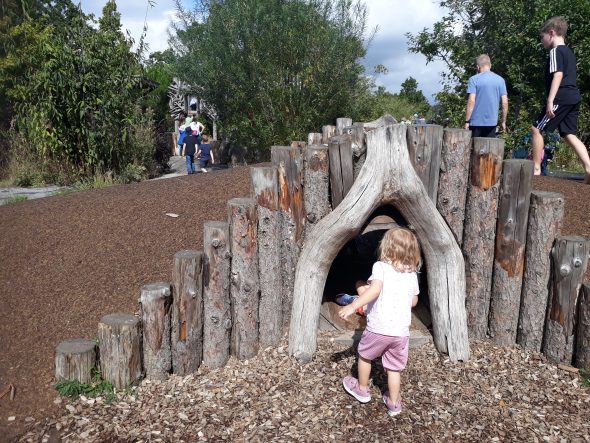
Generalising interests: As any individual, not all girls share the same mind, and designing for what you perceive as enjoyable amongst girls may result in a lack of success for your space. Some girls enjoy quiet, nature-focused adventure, while others are more interested in louder, more active play.
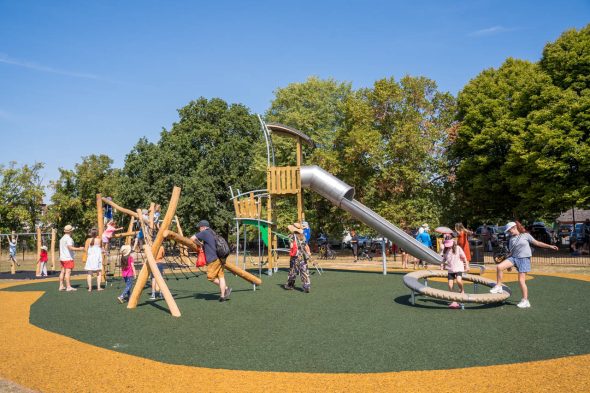
Overemphasis on gendered activities: Many designs focus on activities typically associated with girls or boys (playgrounds with imaginative features for role play amongst girls, MUGA pitches for boys). This trend is not about the activity being more popular amongst a certain group, but how it is provided (e.g., sports provision in a cage vs in an open playground).
Ignoring Cultural Differences: Girls from different backgrounds may require different needs, preferences or exhibit different feelings about public space. A one-size approach risks alienating these groups and fostering divides amongst young people. Culturally-inclusive designs will make spaces feel welcoming to all and accommodate learning opportunities.
As a practice, Outerspace has always strived to represent marginalised groups using ‘Design Through Dialogue’, where we aspire to realise each community’s unique aspirations. We also strive to continuously inform ourselves, through our internal CPD programme and through researching and writing blogs such as this one.
Thankfully, there has been a significant shift over the past 5-10 years with growing awareness of the exclusion of young girls from public spaces. However, recognising the issue is just the beginning. We encourage you to challenge how girls are accommodated in public environments and to make more conscious, inclusive decisions in your daily design practice. These small changes can have a lasting impact on the lives of many young girls and the communities they are part of.
There is plenty of extensive research that has been conducted in this field, we have embedded some links in the above article, however you can further reading below:
- www.makespaceforgirls.co.uk
- www.girlguiding.org.uk/girls-making-change/our-research
- Invisible Women, by Caroline Criado Perez: carolinecriadoperez.com/book/invisible-women
- Feminist City, by Leslie Kern: www.versobooks.com/en-gb/products/2626-feminist-city?srsltid=AfmBOoq_6A-zgOt1smGUg5mVjwck6IJslApa0VzCYMWMuqudfP4gc5ME
Written by Rebecca Simpson, Landscape Architect