


The need for tighter biosecurity
Why is Biosecurity so important?
Biosecurity is critical for preserving public health, the economy, the environment, and national security.
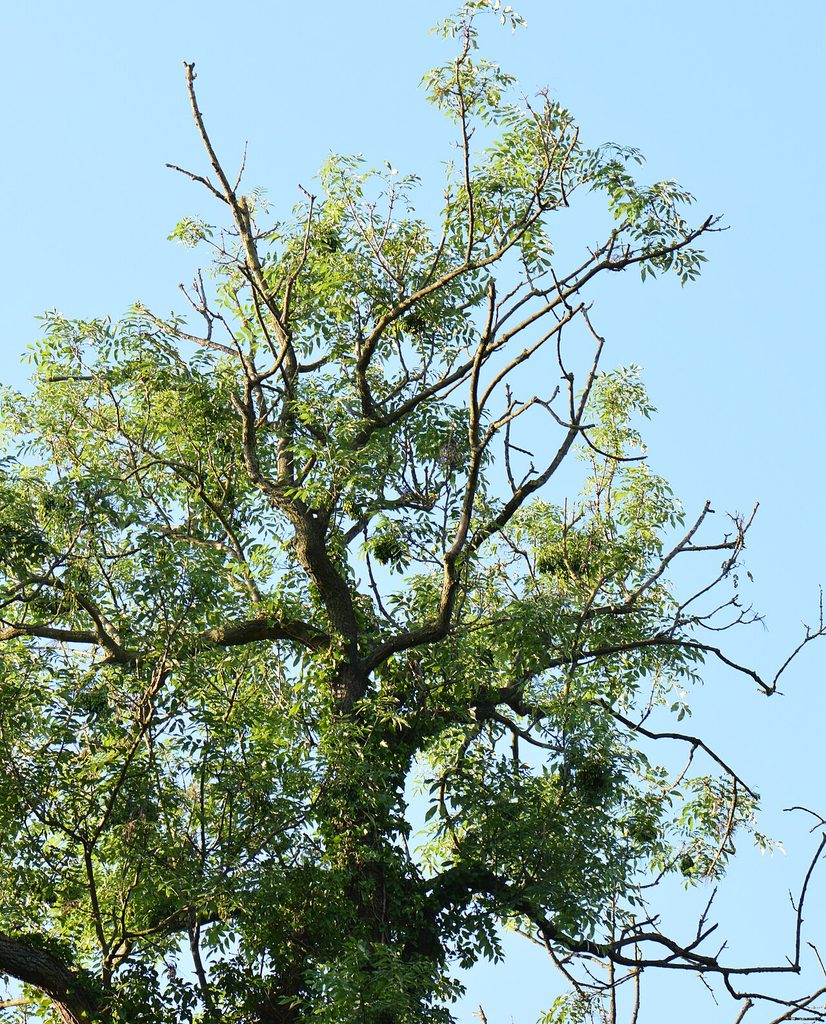
Biosecurity has significant ecological and landscape impacts: In some cases, pests and diseases can result in the loss or non-specification of certain species within the landscape, which has a knock-on effect on different ecosystems and ecological habitats. For example, Ash Dieback, Box Tree Moth and, more recently the Oak Processionary Moth, are having major impacts in certain parts of the UK.
Biosecurity has significant economic impacts: Certain diseases can result in nurseries not being able to trade. If the Xyella fastidiosa bacteria is found within a nursery in the UK, it will stop the nursery from trading whilst affecting other nurseries within 5km proximity.
Biosecurity has significant food security impacts: Plant health problems pose a potential threat to food security and vital ecosystem services. For example, the Potato Wart Disease has led to crop loss, and certain bacteria significantly affect the fruiting vigour of specific cherry trees.
Biosecurity has significant impacts on the sustainability of resources: For multiple pests and diseases there is no cure, so often infected plants will need to be destroyed.
Heightened risks:
There are now more than 1,400 pests and diseases on the UK Plant Health Risk Register.
In today’s world we are seeing multiple pests and diseases with multiple hosts, sometimes not detectable visually, which are causing wide-scale damage and threatening the sustainability of certain species in different countries.
As the government looks to forge closer trade agreements and a common Sanitary and Phytosanitary (SPS) Agreement with Europe, we need to ensure that we are doing our best to reduce the threat of biosecurity locally. (Ref: Programme update: how the FSA is preparing for a UK-EU SPS agreement – GOV.UK)
Outerspace actions:
At Outerspace we believe that Landscape professionals play a key role in defending the UK against biosecurity threats and are carrying out the following actions:
- Responsible design, specification and management, supporting national goals in biodiversity, environmental protection, and long-term ecological resilience.
- Interrogating and reviewing the laws, policies and certification schemes that protect the UK’s biosecurity, talking to multiple nurseries and suppliers to understand what best practice is and how landscape architects can help.
- Formalised a Biosecurity approach and policy that goes beyond the existing laws and policy to minimise the risk of introducing unwanted pests and diseases into the UK.
Our Biosecurity Policy touches on all aspects of the pest and disease cycle, including how we specify plants and plant material, to the suppliers and contractors we work with and how we put in processes to monitor and manage the sites we design.
We hope that with this new policy in place, we will be better equipped to face the very real threats that unwanted pest and diseases can pose to the UK.
If you are interested in hearing more about our Biosecurity Policy, then please get in touch at hello@outerspaceuk.com
Reference for main image: Close-up view of oak tree leaves showing signs of disease and damage in a forested area during the daytime by Ulrich