

Mind the gap: Our emotional attachment to landscapes
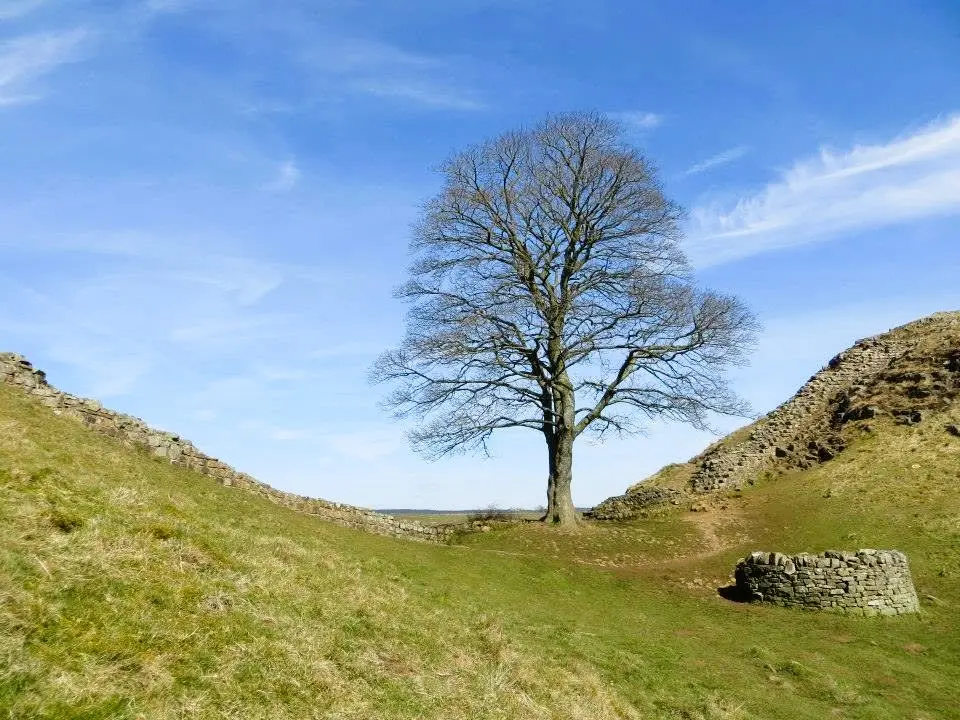
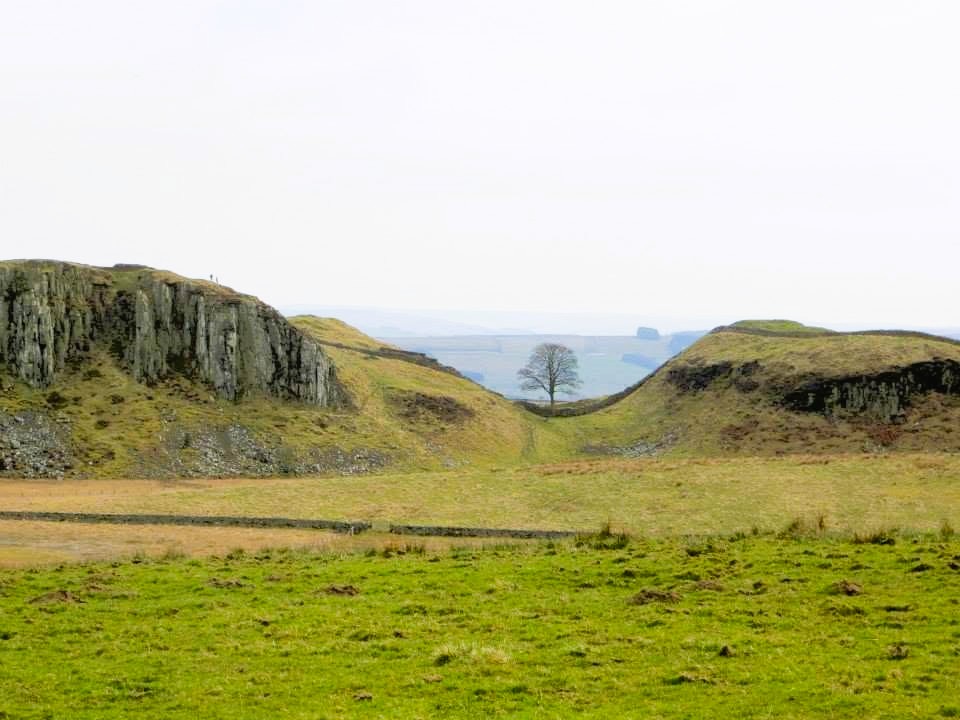
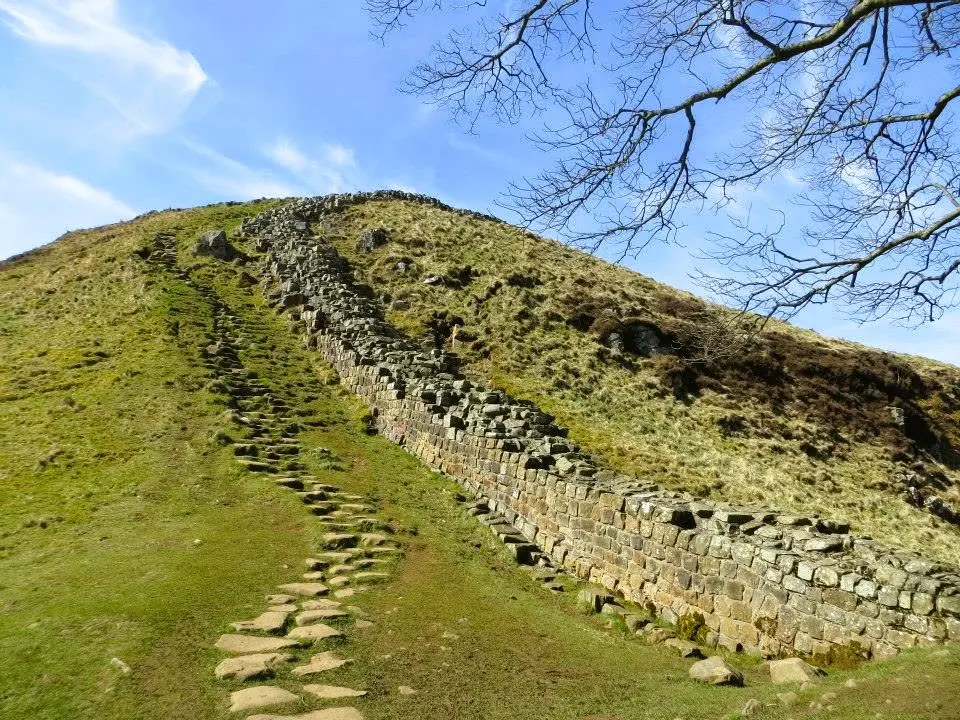
Growing up in the Northeast of England invariably means that you have braved biting cold winds to walk the section of Hadrian’s Wall from Steel Rigg to Sycamore Gap. I walked this route as a child with my parents, as a teenager with my friends and later with my husband.
Earlier this year I took my 8-year-old daughter on the same pilgrimage; however, this was my first time completing the walk since the Sycamore was felled. I couldn’t help but feel sadness at the loss, a feeling that something very special to me was missing.
I am not a person who has emotional ties to objects and am a ruthless declutter’er, so why, I ask myself, do I have such a strong emotional tie to a tree and the landscape where it grew?
Our emotional attachment to landscapes
We develop deep emotional attachments to landscapes because places become entwined with our memories and identity. A landscape is not simply a physical environment of hills, rivers, streets or plaza’s; it can also become a store of meaning.
Places remind us of important periods in our lives, such as family holidays, time spent with friends or first kiss and returning to a familiar community square, row of shops or playground can bring back memories and emotions associated with those experiences. Features, which may seem ordinary to others, such as a particular tree, corner shop or alley way can become meaningful because they are connected to significant moments in our lives; a physical manifestation of times gone by.
Landscapes can also contribute to our sense of identity. We may feel that the places where we grew up become part of who we are. National and regional identities can be linked to distinctive landscapes. As a Northeasterner, the tree at Sycamore Gap played a big part in my identity; something I never realised until it was gone. A landscape can also become a symbol of belonging, making people feel connected to a wider community. Likewise seeing a familiar streetscape or walking along a well-known path can create feelings of security and continuity. As Landscape Architects, understanding the emotional importance of landscapes is absolutely essential when changes are proposed.
How can Landscape Architects help preserve the past whilst designing for the future?
The emotional attachments to a landscape or place is something deeply understood by the team at Outerspace; physical features provide the setting, but memories, relationships, culture and personal experiences give landscapes their emotional meaning. This is why we are passionate about community consultation. Yes, a place may change, but can we achieve this and also maintain community support? Can we truly involve local people in the final design? And how do we respect and understand the history of a place whilst also looking to the future?
At Outerspace we don’t see community consultation as a tick box exercise, we see it as a fundamental element of a successful final design. True community consultation occurs early in the design process, shaping what is eventually built out and giving a sense of ownership and belonging to the people who will live in the space created.
From heritage and ecology to movement, culture and everyday experiences, these layers come together to create places that connect people; to each other and to the places they call home.
Good landscape design isn’t just about creating beautiful spaces. It’s about understanding what already exists, uncovering the connections within a place, and strengthening the sense of belonging.
Why those men cut down the sycamore is something I’ll never understand. But the sense of loss it provoked gave us a rare insight into the connections people feel to the landscape around them. At Outerspace, we see these connections in our daily work, however having such a stark reminder, on the international stage, demonstrates to the wider world just how much a landscape can influence the people who are part of it and just how important it is to closely involve the community when designing for the future.